
Kenya’s birth rate declines as Embu and Kiambu record lowest fertility rates
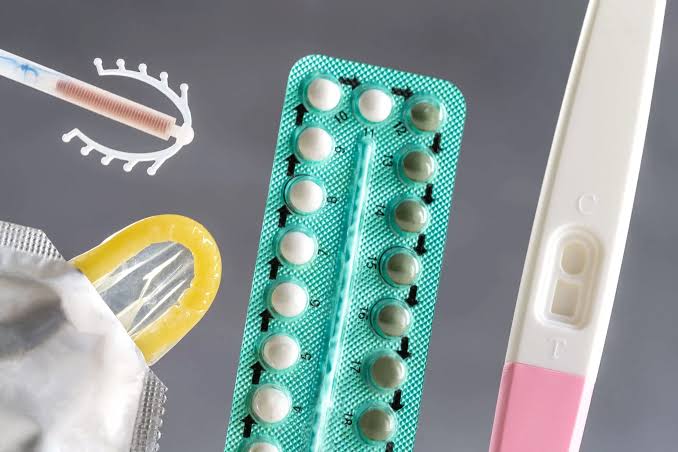
Kenya is experiencing a continued decline in the number of children women have, with new government statistics showing that Embu and Kiambu counties have some of the lowest fertility rates in the country.
According to the 2025–2026 Kenya Mini Demographic and Health Survey released by the Kenya National Bureau of Statistics (KNBS), Embu recorded the lowest fertility rate at 2.2 children per woman, followed by Kiambu at 2.3.
The figures highlight changing family sizes across the country, as more women appear to be having fewer children compared to previous generations.
Nationally, Kenya’s total fertility rate has dropped to 3.1 children per woman, down from 3.4 recorded in 2022.
The decline is even more significant when compared to previous decades. In 1988–1989, Kenyan women had an average of 6.7 children, meaning the country’s fertility rate has fallen by more than half over the period.
Other counties with relatively low fertility rates include Mombasa at 2.3, Nairobi and Kericho at 2.6, while Kirinyaga and Tharaka-Nithi recorded 2.7 children per woman.
On the opposite end, Mandera recorded the country’s highest fertility rate at 6.8 children per woman, followed by Wajir at 5.8 and Tana River at 5.7.
The survey also found that women in urban areas have fewer children on average than those in rural areas. Urban fertility stood at 2.6 children per woman, compared to 3.6 in rural areas.
Education and household income also appear to influence family sizes. Women with no formal education recorded an average of 5.4 children, compared to 2.7 among women with education beyond secondary school.
The findings further show that Kenyan women are increasingly delaying childbirth. The highest birth rates are now recorded among women aged between 25 and 29, marking a shift from previous surveys when the peak was among women aged 20 to 24.
The changing figures point to a major shift in family planning and childbearing patterns across Kenya, although fertility levels remain significantly different from one county to another.